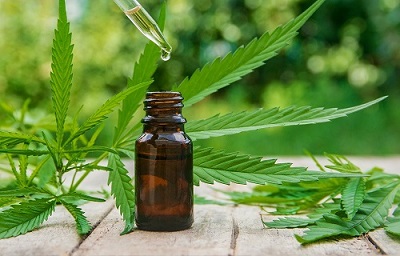
Extracting hemp for its beneficial cannabinoids like CBD is a process that requires meticulous planning. Science and chemistry are needed to render a pure result from a raw agricultural product, and in no industry is that more clear than hemp. After all, the legality of a cannabis-sourced product is dependent on its cannabinoid composition.
Why, you ask? The federal legal framework outlined in the 2018 Farm Bill states that hemp products must contain no more than 0.3% of the psychoactive compound tetrahydrocannabinol (THC). Any hemp or hemp-derived oil that exceeds this level is subject to seizure and destruction, and the owner may be subjected to civil and even criminal penalties.
Oil remediation is the ideal solution for removal of contaminants or specific cannabinoids to produce a product of higher purity. In the case of THC, failure to perform necessary remediation of that cannabinoid could render the hemp CBD oil as illegal. With that being said, there are a few remediation concepts you ought to absorb ahead of buying your hemp CBD oil from a supplier, or delivering your in-house oil to the market.
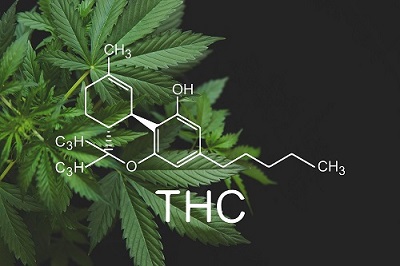
What is THC remediation?
The process of THC remediation involves reducing or eliminating the psychoactive cannabis compound from hemp-derived distillates and extracts. Once the process is complete, purified oil that maintains its cannabinoid ratios and original plant profile is all that remains — a highly specific method of ensuring that your hemp-derived CBD contains exactly what is featured on the label, and complies with both state and federal laws.
For consumers, THC remediation services provide peace of mind that the hemp-derived CBD oil they are consuming is within the legal limit. For retailers, properly remediated oil means they can sell to a broader market. For hemp business owners, CO2 extraction presents an opportunity to transform limited state-legal inventory into a high-ROI product that can legally be transplanted and sold across state lines, and added to other finished good products for sale nationwide.
Why is THC remediation important?
Venturing into mass markets is not such an easy feat when THC comes into play. While this cannabinoid may harbor health-enhancing properties in the form of chronic pain relief, its mind-altering effects mean that it is restricted outside of the 11 U.S. states that have legalized the plant for recreational use.
While some hemp strains will grow with less than the 0.3% legal limit of THC, it is not possible to completely separate CBD from THC with plant breeding and cultivation alone. Since concentrations of this cannabinoid may spike during the distillation process, stripping hemp oil with remediation is the primary way to ensure your product is legal.
THC Remediation Techniques
There are four main ways in which THC can be removed from hemp oil, each of which boasts its own pros and cons. Highlighted below is an overview of each technique:
- Crystallization - The resulting product of crystallization oil remediation is a white CBD-laden isolate powder. Although highly effective at separating the two cannabinoids, the crystallization technique may also remove potentially desirable plant compounds like carotenoids, flavonoids and terpenes; therefore this option is not ideal for consumers or suppliers who wish to retain the hemp plant's therapeutically abundant profile. We do not use any crystallization techniques at Nutra Pure Extraction.
- Degradation - Another technique to remove THC as well as contaminants and residues from hemp oil is degradation, which utilizes chemical, UV light degradation, and/or heat and oxidation for conversion. Since the result is a black, sludgy substance, degradation is not the most desirable option for satisfactory consumption. Moreover, since THC is not the only target molecule being degraded – CBD is also affected by this process – there's a chance that you may lose some of the preferred compound with this non-selective method of remediation.
- Liquid/ Liquid Extraction - When hemp CBD oil is exposed to two separate solvents that have no mutual solubility, individual cannabinoids and unwanted components can be forced out of the oil by binding it with the solvent it has an affinity for." Typically, water and an organic solvent will be put into a device known as a "separatory funnel", before active compounds contained in the system are separately distributed.
- Chromatography - A popular choice in the pharmaceutical, food and manufacturing industries, this method of oil remediation is a widely used technique that can dramatically increase product value. There are two “phases” used in chromatography: the “mobile phase” is the fluid that is used to dissolve the mixture that needs to be separated and the “stationary phase” is a material that is held within a structure to capture parts of the mixture. Once the mixture enters a column filled with stationary phase particles, specific compounds are separated, a process called elution, from other compounds with different molecular weights. At Nutra Pure Extraction we have all the equipment necessary to do column chromatography to remediate targeted components from hemp oil.
Collaborating with a well-equipped remediation lab like Nutra Pure Extraction will grant you the opportunity to serve a broader audience with your hemp products. Contact us today to discuss your next remediation project to ensure you get the highest value, purity, and effectiveness from your CBD oil.