
As the popularity of ingestible cannabis extracts in legal states, and CBD in every state, continues to grow, more hemp producers are seeking out opportunities in this ever-evolving space. Since concentrated cannabis products constitute one of the most profitable segments of the market, it's not surprising that the CO2 hemp extraction business is emerging as a preferred “cleaner” alternative to hydrocarbon and ethanol extraction.
The majority of hemp ingestible products like CBD oils and THC edibles are made using harsh solvents to pull the desired cannabinoids from the hemp plant. The harvested cannabis plant is dried, ground up, and put through a chemical process that often involves flooding the material with gases like propane or butane, then using chemistry to remove these chemicals from the extracted oil afterwards. The risk of these chemical pollutants remaining in small amounts afterwards is high.
With so many consumers eager to get their hands on refined CBD products, extraction plays an important role in the overall process.
Why extract CBD With CO2?
CO2 extraction provides a more fine-tuned way to do smaller-scale, gentler extraction of botanicals. Because the pressure and temperature can be adjusted to capture more or less of specific compounds, like terpenes, it provides a more customizable cannabis extraction than large-scale hydrocarbon and ethanol extractions. Hundreds of delicate terpenes, flavonoids, and minor cannabinoids that are destroyed or chemically altered by those harsher extraction methods can be preserved using CO2 extraction. Less processing is required on CO2 extracted oil to remove chemicals after the extraction process, leaving a more natural and less processed raw material for finished goods that will be consumed by users.
What is CO2-extracted hemp oil?
Put simply, CO2 extraction separates cannabinoids like CBD that exist naturally in the hemp plant. Once extracted, the cannabinoid can be added and infused into a broad scope of products; e.g. topical balms and salves, ingestible edibles and drinks, sublingual sprays, etc.
CO2 is a versatile solvent that can be relied on to control pressure and temperature, all the while drawing the all-important cannabinoids, terpenes and waxes from the hemp plant material.
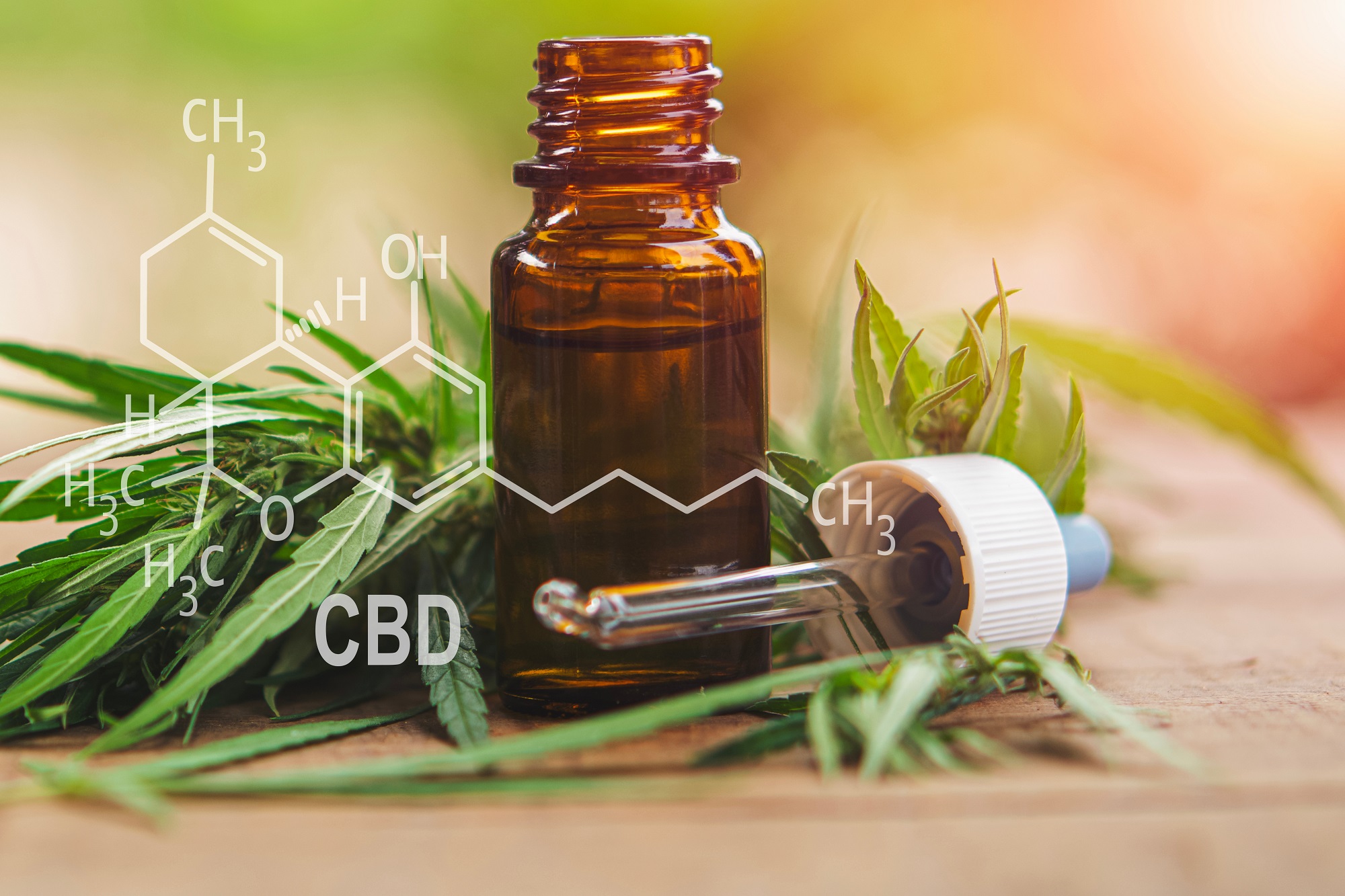
The result? A high-absorption, vaporizable oil with an amber tinge. CO2-extracted hemp oil is also rich in aromatic terpenes and therapeutic flavonoids; these plant-derived chemicals interact with CBD to amplify the oil's overall effects.
How does CO2 extraction work?
Pressurized carbon dioxide is used to pull the phytochemicals from hemp with CO2 extraction techniques. Just like with cannabis-derived CBD oil, hemp-derived CBD is first pulverized into a dusty consistency, before being added to the extraction vessel. Once this step is complete, the pressurized CO2 will either be processed at a low pressure and temperature (subcritically) or at a high pressure and high temperature (super-critically) and passed over the hemp plant material.
During this stage, CO2 behaves like a solvent, which essentially forces the plant material to separate from the sought-after compounds. Once the hemp CBD oil manufacturers are satisfied that they have extracted all of the essential organic compounds, they will be left with a full-spectrum CBD oil. It's important to keep in mind that subcritical extracts may not require any post-processing, whereas supercritical extracts must undergo post-processing as a means of removing undesirable fats, waxes and plant compounds. While we do not use alcohol extraction methods, our lab does rely on high-proof alcohol for our winterization services.
What are the benefits of CO2 extraction?
Considered to be the most efficient method of CBD extraction, CO2 is not overly time consuming and is regarded as being a generally safe practice. This “low-touch” method preserves and maintains more of the natural plant profile. The Food and Drug Administration (FDA) has confirmed that this is a low-risk method of botanical extraction with no risk of solvent contamination.
CO2 is a non-toxic, non-flammable gas that serves as an environmentally-friendly option. Not only does it boast recyclability but also, it is free from chemical residues. Since no solvent sediment is leftover, nor nasty emissions released during the process, CO2 extraction is deemed to be one of the cleanest choices for hemp CBD oil producers.
Although CO2 extraction necessitates the labor of qualified personnel, and may therefore cost more to execute, the efficiency and speed associated with this process is by far the most appealing in comparison with other methods of extraction. We are proud to only use CO2 extraction methods at our facility, because we believe it offers the cleanest hemp products for the consumer market.
CO2 vs Ethanol vs Hydrocarbon Extraction
| Factor | CO2 (Supercritical) | Ethanol | Hydrocarbon (Butane/Propane) |
|---|---|---|---|
| Residual solvents in extract | None. CO2 evaporates completely. | Requires post-processing to remove ethanol. Trace residues possible. | Requires purging. Risk of residual butane or propane in finished product. |
| Terpene preservation | High. Tunable pressure and temperature preserve delicate compounds. | Moderate. Ethanol strips chlorophyll and some terpenes. | Moderate to high, but aggressive purging can degrade terpenes. |
| Extract purity | High. Minimal post-processing needed for subcritical runs. | Moderate. Pulls chlorophyll and waxes, requiring extra filtration. | High initial purity, but contamination risk from solvent residue. |
| Safety profile | Non-toxic, non-flammable. CO2 is classified as GRAS for food processing. | Flammable. Requires explosion-proof facilities. | Highly flammable. Strict safety infrastructure required. |
| Tunability | High. Adjust pressure and temperature to target specific compounds. | Low. Ethanol is a bulk solvent, less selective. | Moderate. Some selectivity through temperature control. |
| Best suited for | Small-to-medium batch, premium full-spectrum oil, beverage-grade extract. | High-volume industrial runs, crude oil for further refinement. | Concentrate production (shatter, wax), state-licensed cannabis operations. |
Each method has its place. CO2 extraction produces a cleaner starting material that requires less post-processing, which is why we use it exclusively. For producers who need high-volume throughput above all else, ethanol may make more sense. Hydrocarbon extraction is common in state-licensed cannabis operations but carries solvent residue and safety considerations that make it less suitable for consumer hemp products.
Frequently Asked Questions
What is CO2 extraction?
CO2 extraction is a method of separating cannabinoids, terpenes, and other beneficial compounds from hemp plant material using pressurized carbon dioxide as the solvent. Under high pressure and controlled temperature, CO2 behaves like a liquid solvent that pulls target compounds from the plant. Once the pressure is released, the CO2 returns to gas and evaporates completely, leaving behind a pure extract with no chemical residues.
Is CO2 extraction solventless?
CO2 extraction does not use chemical solvents like butane, propane, or ethanol. Carbon dioxide is the only extraction agent, and it evaporates entirely from the finished product, leaving zero residual solvents. The FDA classifies CO2 as GRAS (Generally Recognized As Safe) for food processing. In practical terms, the resulting hemp extract is solvent-free: no chemical residues, no off-flavors, and no contamination risk from leftover solvents.